
The Complete Guide to Ecommerce Logistics: From Warehouse to Doorstep
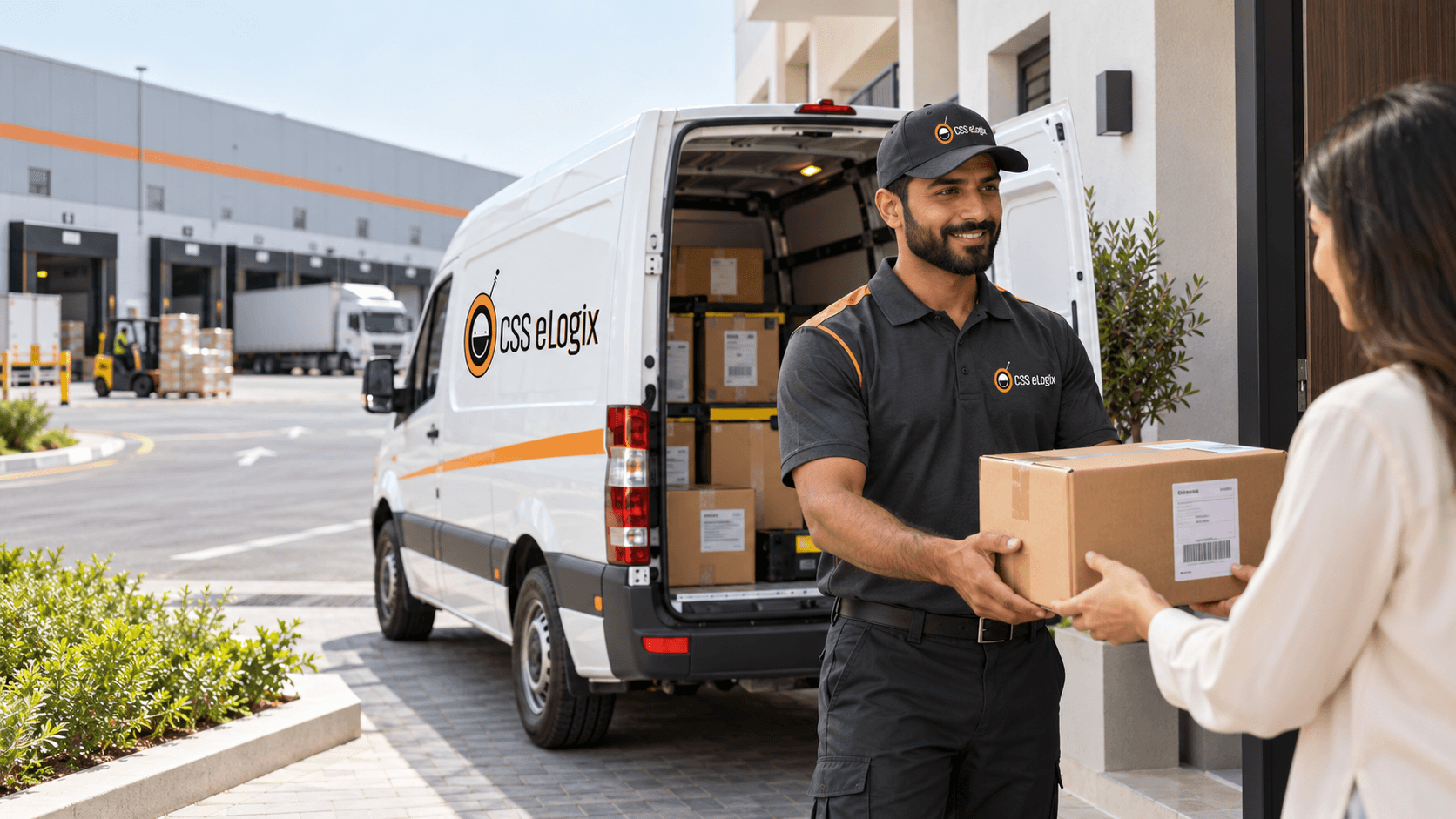
Behind every successful online brand is a synchronized, well-engineered supply chain. While digital storefront design, social advertising, and customer acquisition dominate early e-commerce conversations, logistics is the invisible engine that dictates long-term business survival. It influences operating margins, delivery speeds, inventory accuracy, and customer repurchase rates.
In its simplest definition, e-commerce logistics encompasses every physical touchpoint an item encounters on its journey from supplier production line to a customer’s hands—and, when necessary, back again through returns. In modern retail, where consumers expect rapid shipping and absolute transparency, a fragmented logistics strategy can quickly erode brand reputation.
Whether you are scaling an emerging direct-to-consumer brand or streamlining operations for an enterprise omnichannel business, this comprehensive guide explores the five core pillars of the e-commerce supply chain and how to optimize each stage for sustainable growth.
1. Inbound Logistics: Receiving, Inspection, and Stock Ingestion
Inbound logistics represents the entry point of your supply chain. It covers the movement of inventory from manufacturing facilities, domestic wholesalers, or overseas ports directly into your distribution facility.
The efficiency of this initial stage sets the foundation for your entire fulfillment pipeline. If products arrive at the warehouse and sit in staging areas for days without being verified, counted, or logged into inventory systems, you face stockouts on your storefront while capital remains frozen on receiving docks.
An effective inbound workflow requires rigorous standards:
- Advance Shipping Notices (ASNs): Providing the warehouse with detailed advance documentation on inbound manifests, item counts, and carton breakdowns to prepare floor space and labor ahead of arrival.
- Intake Quality Control: Inspecting shipments immediately for transit damage, broken seals, or packaging tears before accepting custody from freight carriers.
- System Scanning and Barcode Tagging: Checking items against universal stock codes (SKUs) and logging serial, batch, or lot numbers directly into the digital warehouse network.
- Rapid Putaway Times: Moving verified inventory from loading bays into designated bin, shelf, or pallet locations within a strict 24- to 48-hour operational window.
2. Warehousing and Inventory Management
Once inbound stock is approved and stored, the focus shifts to inventory management and warehouse maintenance. Warehousing in e-commerce is far more dynamic than traditional bulk freight storage; it requires high-density layout engineering, strict environmental safeguards, and minute-by-minute tracking.
In regions with severe climate extremes like the Middle East, standard industrial warehouse environments frequently reach temperatures that destroy delicate formulations. Online stores selling cosmetics, fragrances, health supplements, organic foods, and specialized electronics must partner with modern warehousing services in the UAE that provide guaranteed, round-the-clock temperature-controlled storage between 18°C and 22°C.
Beyond environmental protection, modern e-commerce warehousing requires dynamic inventory control protocols:
- Slotting Optimization: Arranging fast-moving SKUs (high-velocity items) close to main packing stations, while placing slow-moving or bulky seasonal merchandise higher up in pallet racking to reduce operator travel time.
- Automated Stock Tracking: Maintaining real-time bidirectional syncing between your digital sales channels and physical warehouse shelves to avoid stockouts and overselling.
- Stock Rotation Rules: Enforcing First-In, First-Out (FIFO) or First-Expired, First-Out (FEFO) rules to protect product freshness and prevent inventory write-offs.
- Cycle Counting: Conducting continuous, rolling barcode audits across product categories instead of shutting down sales once a year for slow, manual stock reconciliations.
3. Order Processing and Fulfillment (Pick, Pack, and Ship)
Order fulfillment is the operational bridge connecting customer checkout on your storefront to physical dispatch. The moment an order confirmation email arrives in an online customer's inbox, the warehouse timer starts ticking.
In a streamlined operation, fulfillment automation eliminates manual data entry completely. For example, when an order is finalized on platforms like Shopify, modern API integrations push that purchase data straight to warehouse terminals within seconds.
A professional order processing workflow follows four sequential steps:
- Order Ingestion and Validation: The system verifies stock allocation, payment clearance, and shipping destination details automatically.
- Optimized Picking: Warehouse pickers receive digital pick-paths on handheld barcode scanners. Whether utilizing wave picking for multiple single-item orders or batch picking for complex baskets, barcode validation at the bin prevents mis-picks.
- Value-Added Packing: Items are transferred to packing stations where staff verify weights and wrap goods. This stage also accommodates custom unboxing requirements—such as custom tissue paper, branded tape, promotional flyers, or fragile padding.
- Label Generation and Sorting: Automated print-and-apply systems generate courier waybills and customs manifests, sorting packages into carrier dispatch cages based on geographic routing.
Experienced brands partner with a specialized fulfillment company in Dubai to access standardized, high-speed pick and pack fulfillment capabilities that consistently process orders within minutes of order receipt.
4. Last-Mile Delivery: The Critical Customer Touchpoint
Last-mile delivery is often the most expensive and customer-sensitive phase of the entire logistics chain, frequently accounting for up to 50% of total shipping costs. It represents the final leg of the transit journey, moving the parcel from a localized distribution hub directly to the customer’s doorstep.
Today's consumers view delivery speed as an extension of brand value. To stay competitive, online brands must move away from generic 3-to-5-day delivery promises and offer multi-tiered shipping speeds:
- On-Demand & Bullet Delivery: Fulfilling urgent, local city orders within two to three hours from strategically located urban hubs.
- Same-Day Delivery: Capturing morning and early afternoon transactions for evening delivery across major metropolitan centers.
- Next-Day Regional Delivery: Standardizing reliable 24-hour deliveries across neighboring emirates and secondary cities.
- Live Courier Tracking: Providing automated SMS and WhatsApp tracking links with dynamic driver ETA maps to reduce customer anxiety and lower "Where Is My Order?" support inquiries.
For brands operating across the Middle East, successful last-mile logistics also hinges on mastering Cash on Delivery (COD). While digital wallets and card payments continue to climb, a substantial portion of consumers still prefer paying at their doorstep. Your delivery network must ensure swift cash collection, secure driver handling, and automated daily reconciliations back to your balance sheet.
5. Reverse Logistics: Turning Returns into Customer Loyalty
Reverse logistics—the process of retrieving, inspecting, and managing returned or exchanged products—is an inevitable reality of selling online. In categories such as apparel, footwear, and consumer goods, return rates can fluctuate between 15% and 30%.
A clunky, slow return process frustrates shoppers and locks up substantial capital in stranded stock. Conversely, a frictionless returns experience builds deep customer trust and protects business margins.
A structured reverse logistics framework incorporates:
- Automated Return Initiations: Self-service customer return portals that issue pre-paid return shipping labels or schedule courier doorstep pickups automatically.
- Rapid Intake Grading: Inspecting returned items immediately upon arrival to sort them into clear categories: restock as new, repackage, refurbish, or mark for disposal.
- Fast Inventory Relisting: Returning undamaged items to active, sellable warehouse inventory within 24 hours of inspection.
- Immediate Refund or Exchange Trigger: Releasing refunds, store credits, or replacement shipments automatically once the warehouse confirms the return status.
6. Cross-Border Logistics and Regional GCC Expansion
Domestic success in the UAE often serves as a springboard for regional expansion into markets like Saudi Arabia, Kuwait, Qatar, Oman, and Bahrain. However, shipping across international borders introduces complex regulatory landscapes, regional customs inspections, import duties, and strict documentation rules.
Scaling cross-border e-commerce without establishing costly legal entities in every separate territory requires a partner with international freight and customs capabilities.
Key elements of an effective cross-border strategy include:
- Strategic Hub Fulfillment: Storing regional safety stock in centralized, duty-free distribution zones in Dubai to fulfill GCC orders via express road and air feeder routes.
- Importer of Record (IOR) and Exporter of Record (EOR): Utilizing authorized compliance frameworks to handle customs filings, import duty payments, and regulatory clearances smoothly.
- Harmonized System (HS) Code Compliance: Accurately classifying every product SKU to prevent costly customs holds, transit delays, or unexpected regulatory fines at border checkpoints.
- Regional Cash on Delivery Settlement: Maintaining cross-border courier networks that collect foreign currency payments at destination doorsteps and remit funds back to your home accounts seamlessly.
Building an Agile Logistics Foundation with CSS eLogix
Modern e-commerce moves too quickly for clunky, disjointed logistics. Managing separate contracts for warehouse storage, packing staff, localized couriers, freight forwarders, and customs brokers drains leadership focus and introduces points of operational failure.
Partnering with an end-to-end 3PL specialist transforms your entire supply chain into a growth driver. Backed by the global freight network and maritime heritage of the CSS Group, CSS eLogix delivers integrated, enterprise-grade e-commerce logistics tailored for growing direct-to-consumer and B2B brands.
From prime temperature-controlled fulfillment centers in Dubai to automated storefront integrations, swift pick-and-pack workflows, and turnkey GCC distribution, CSS eLogix manages the entire physical journey of your products so you can focus on building your brand.