
Why Businesses Need Warehousing Services in the UAE
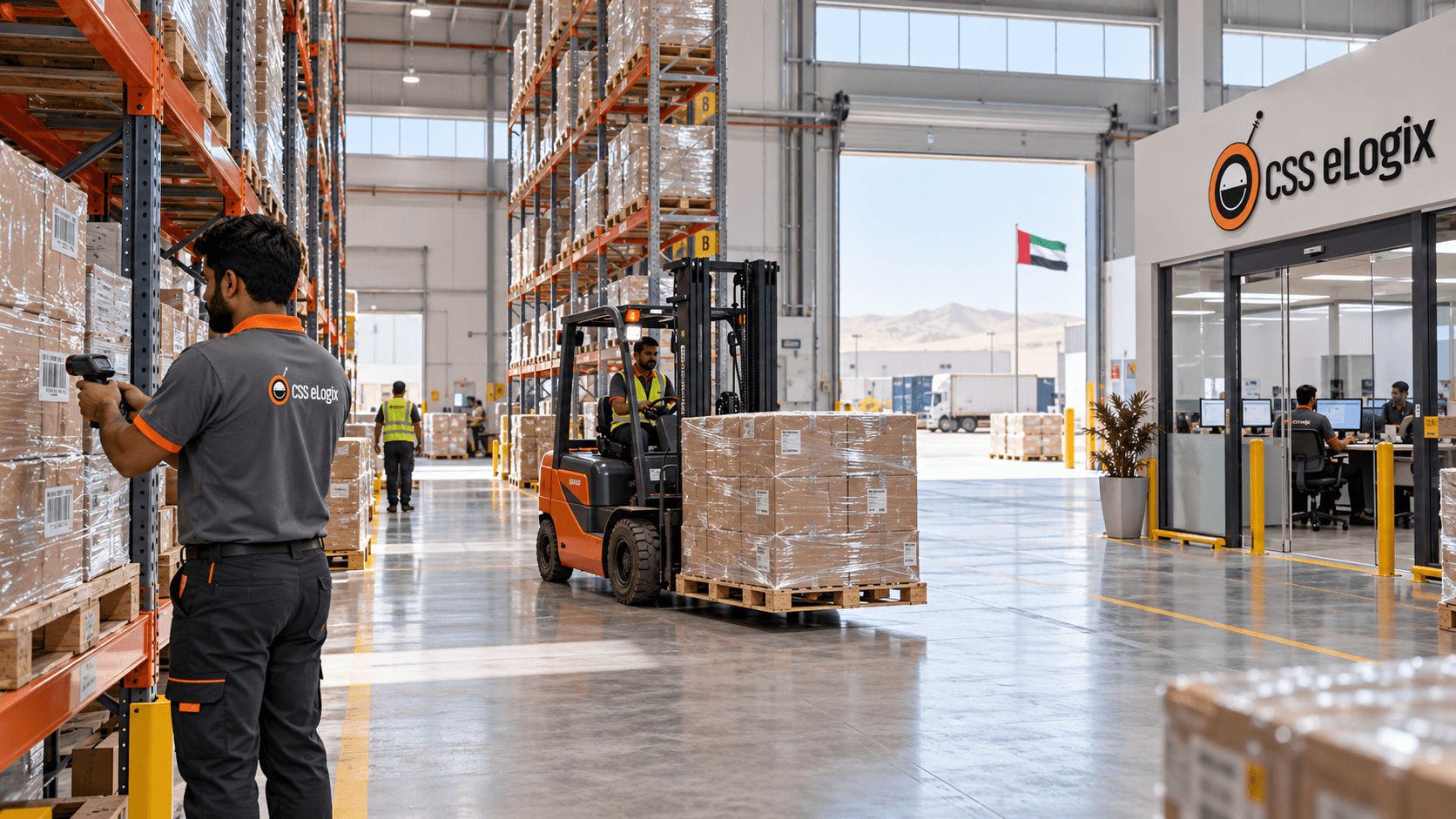
The United Arab Emirates has established itself as one of the most vital trading crossroads in the modern global economy. Situated strategically between East and West, with world-class maritime ports, advanced international cargo airports, and exceptional road connectivity, the nation serves as the primary commercial gateway to the Middle East, North Africa, and South Asia. For commercial enterprises, online retailers, and industrial brands looking to capture growing consumer markets across the region, having an agile, localized warehousing footprint in the UAE is no longer an optional luxury—it is a core operational necessity.
Yet, managing commercial storage within the country requires far more than finding empty square footage to store pallets. The region presents distinct climatic, regulatory, and speed-to-market demands that can quickly overwhelm in-house storage attempts. From dealing with high ambient temperatures to meeting rapid consumer delivery expectations, businesses need sophisticated warehouse infrastructure to protect product integrity and maintain competitive margins.
Here is an in-depth look at why partnering with professional warehousing services in the UAE is critical for sustainable commercial growth.
1. Capitalizing on a World-Class Geographic and Trade Hub
The UAE's physical position offers direct connectivity to high-growth markets spanning the Gulf Cooperation Council (GCC), the wider MENA region, the Indian subcontinent, and East Africa. Dubai in particular hosts two of the world's most critical freight hubs: Jebel Ali Port, one of the largest container ports globally, and Dubai International and Al Maktoum International Airports.
Storing inventory within a dedicated warehouse in Dubai eliminates weeks of transit delays associated with international drop-shipping or maritime transit from overseas manufacturing hubs. By positioning stock closer to your target consumer markets, you unlock significant logistical advantages:
- Immediate access to multi-modal sea-to-air cargo transfers that accelerate stock turnaround.
- Seamless road distribution networks capable of delivering freight across Abu Dhabi, Dubai, Sharjah, and northern emirates within hours.
- Centralized staging hubs for onward road and air freight distribution into Saudi Arabia, Qatar, Oman, and Kuwait.
Businesses with localized inventory can respond dynamically to surges in regional demand, keeping stock available without the lead times of cross-border replenishment.
2. Overcoming Regional Climate Realities with Temperature-Controlled Facilities
One of the most pressing challenges for businesses operating in the Middle East is the region's climate. During summer months, ambient outdoor temperatures often exceed 45°C, and standard non-insulated industrial storage sheds can easily surpass 50°C. For brands dealing in temperature-sensitive categories, these severe conditions represent an immediate existential risk.
Products across cosmetics, perfumes, skincare, health supplements, pharmaceuticals, confectionery, gourmet food ingredients, and precision electronics suffer rapid degradation, chemical breakdown, or melted packaging if stored in uncontrolled environments. Even durable consumer goods can experience compromised adhesive bonds, warped plastics, or faded labels.
Professional warehousing services in the UAE solve this vulnerability by offering purpose-built, climate-controlled environments that provide:
- Continuous, round-the-clock temperature moderation typically maintained between 18°C and 22°C.
- Humidity-regulated zones to prevent moisture-induced damage, mold, or condensation during coastal summer peaks.
- Advanced refrigeration and cold-chain chambers for perishables and pharmaceutical goods.
- 24/7 automated telemetry and temperature logging systems that alert facility engineers to fluctuations before stock integrity is compromised.
Maintaining strict climate control ensures your customer receives a product that performs exactly as formulated, safeguarding your brand reputation and minimizing costly return rates.
3. Eliminating Crushing Fixed Overhead Through 3PL Flexibility
Attempting to build, lease, and staff an independent warehouse facility in the UAE requires substantial upfront capital. Long-term commercial real estate commitments, hefty municipal licensing fees, material-handling equipment purchases (such as forklifts, reach trucks, and heavy-duty racking), and ongoing utility bills create heavy fixed overhead that drains working capital.
Furthermore, commercial leasing lacks agility. If your sales fluctuate due to seasonality—such as intense retail spikes during White Friday, Ramadan, and Year-End festivals followed by quieter summer periods—you end up paying for empty warehouse capacity during off-peak months, or finding yourself completely bottlenecked when demand surges.
Collaborating with a dedicated fulfillment company in Dubai enables an agile pay-as-you-grow operational model:
- Pay exclusively for the precise cubic meters or pallet positions your stock occupies each month.
- Scale warehouse footprints up or down on demand without negotiating new property leases.
- Avoid the legal complexities, visa sponsorships, and fixed payroll associated with managing an internal warehouse labor force.
- Convert heavy capital expenditures into predictable, volume-aligned operational expenses.
This financial flexibility frees up vital cash reserves, allowing leadership teams to redirect capital toward performance marketing, product innovation, and market acquisition.
4. Accelerating E-commerce Order Dispatch and Last-Mile Fulfillment
Consumer habits across the UAE have evolved rapidly, driven by the proliferation of hyper-convenient digital shopping apps and delivery services. Today's online shoppers consider 48-hour delivery windows standard and increasingly favor merchants offering same-day delivery or ultra-fast three-hour express fulfillment.
Meeting these demanding timelines is impossible if inventory is held abroad or stored in remote, unintegrated facilities. Modern e-commerce warehousing directly integrates physical floor operations with digital storefronts to compress order processing timelines.
A tech-forward warehouse facility provides the foundation for rapid pick and pack fulfillment through:
- Direct API connections with major e-commerce platforms like Shopify, Magento, and WooCommerce, transmitting order data to warehouse floors instantly.
- Optimized barcode scanning systems that guide warehouse personnel along efficient picking paths, keeping mis-pick rates near zero.
- Standardized packing stations equipped to handle custom packaging, branded unboxing aesthetics, and protective void-fill.
- Automated integration with localized courier fleets, enabling late afternoon order cutoffs for guaranteed same-day delivery across metropolitan centers.
By compressing the window between checkout confirmation and door-to-door transit, brands significantly lower shopping cart abandonment, reduce customer service inquiries, and increase repeat purchase rates.
5. Ensuring Regulatory Compliance, Security, and Asset Protection
Operating commercial facilities in the UAE involves navigating strict regulatory standards set by local civil defense authorities, municipalities, and customs bodies. Ensuring that a storage space complies with regional fire protection standards, industrial zoning laws, and health-and-safety certifications requires continuous operational diligence and costly infrastructure investments.
Professional third-party logistics providers operate out of purpose-engineered facilities that already satisfy stringent regional compliance standards:
- Comprehensive civil defense certifications, automated early-warning smoke detection, and ESFR (Early Suppression, Fast Response) fire sprinkler systems.
- Multi-layered perimeter security, biometric entry points, and 24/7 high-definition CCTV surveillance covering receiving bays, aisles, and packing areas.
- Strict dust-mitigation and pest-control protocols to preserve outer packaging cleanliness.
- Comprehensive commercial insurance coverage that protects inventory against unexpected transit, handling, or structural hazards.
Relying on established infrastructure protects your business assets and eliminates the legal and operational liabilities of managing industrial space independently.
6. Streamlining Cross-Border GCC Expansion and Customs Management
For ambitious businesses, the UAE is rarely the final destination; it serves as the launching pad for regional expansion into high-value consumer markets like the Kingdom of Saudi Arabia, Kuwait, and Qatar. However, moving goods across international borders introduces customs hurdles, tariff declarations, documentation scrutiny, and localized return complexities.
Specialized warehousing providers located in strategic UAE commercial hubs offer the infrastructure necessary to simplify cross-border operations:
- Strategic bonded storage and free-zone warehousing solutions that defer customs duties until products are officially dispatched to domestic or export markets.
- Expert handling of customs declarations, Certificates of Origin, and Harmonized System (HS) code classifications to prevent border inspection holdups.
- End-to-end Importer of Record (IOR) and Exporter of Record (EOR) services that keep shipments fully compliant with destination market authorities.
- Centralized reverse logistics capabilities, allowing returned items from across the GCC to be consolidated, inspected, refurbished, and restocked from a single regional base.
Build an Agile Logistics Backbone with CSS eLogix
In today's fast-paced commerce ecosystem, your warehouse is not just a storage room—it is the core engine that powers your customer experience, cash flow efficiency, and regional market reach. Attempting to manage logistics in-house drains time and resources that are better spent scaling your brand.
Backed by the decades-long freight forwarding, maritime, and supply chain legacy of the CSS Group, CSS eLogix provides premium, tech-enabled warehousing and fulfillment solutions tailored for modern businesses.
With strategic warehousing facilities across prime Dubai locations—including Ras Al Khor, Al Quoz, and Jebel Ali—CSS eLogix offers fully certified temperature-controlled storage, automated e-commerce integrations, high-speed order fulfillment, and comprehensive GCC distribution services.
Transform your warehousing strategy from an operational bottleneck into a competitive market advantage. Contact the supply chain specialists at CSS eLogix today to discuss a custom warehousing and fulfillment plan built for your business.